
Country Park · South Wales, UK · 15th March, 2026
Parrot's Feather and Sediment Clearance on a River
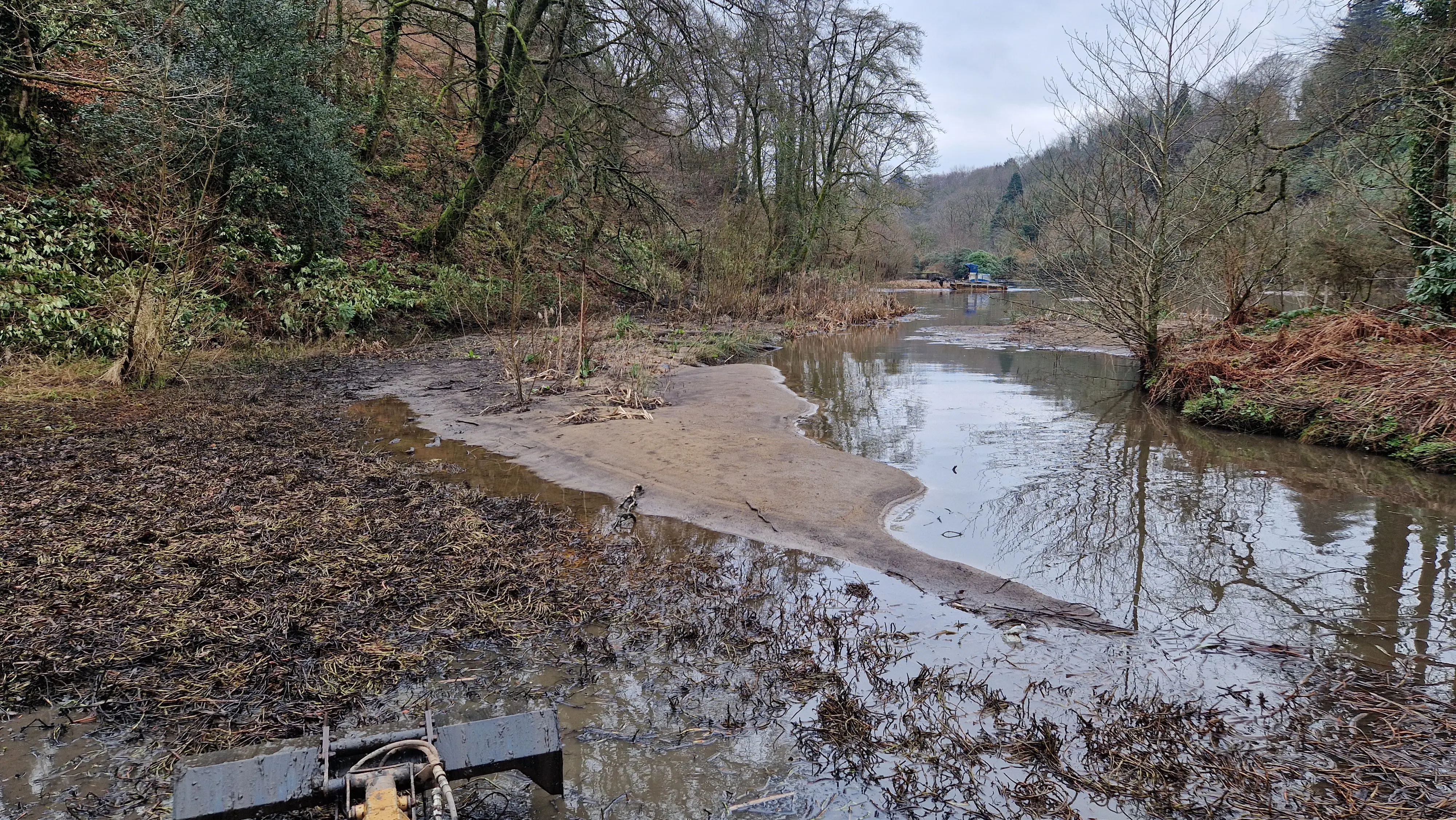
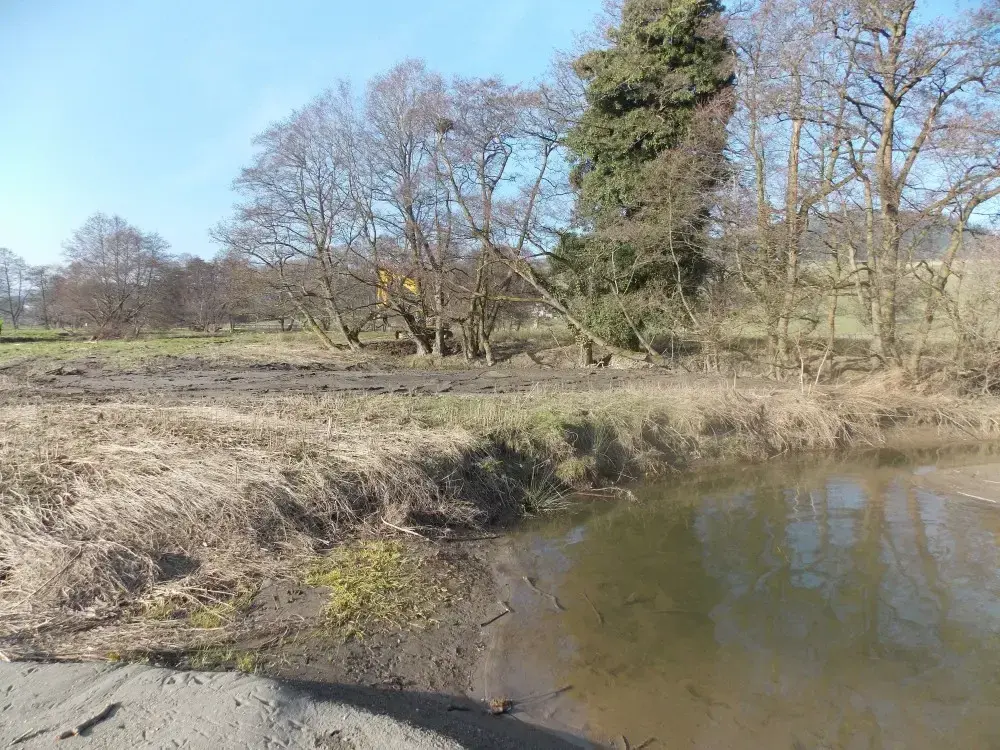
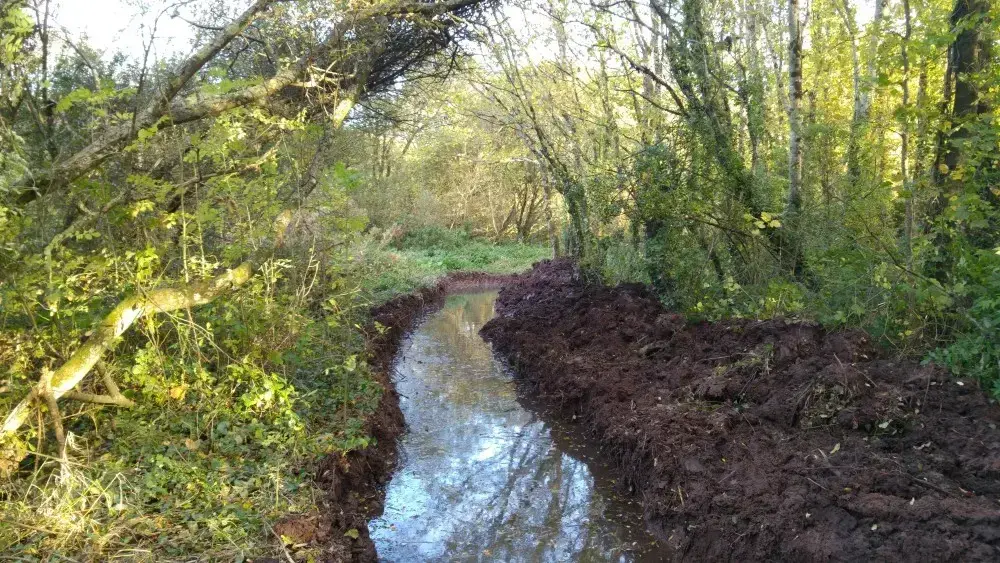
Use of grab buckets to remove accumulated sediment and Parrot's Feather, restoring water depth and improving restricted flow.
Managing Parrot's Feather
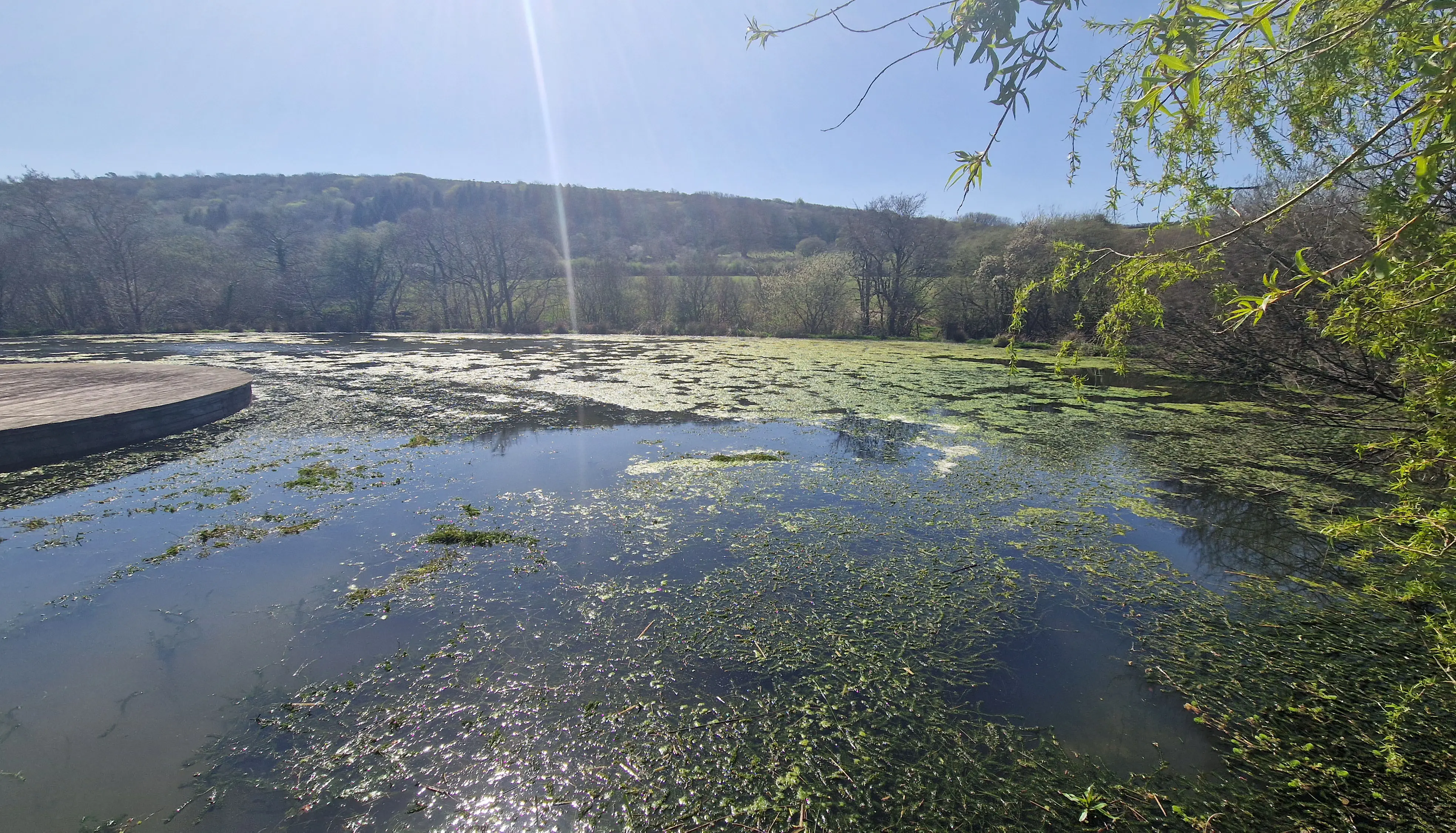
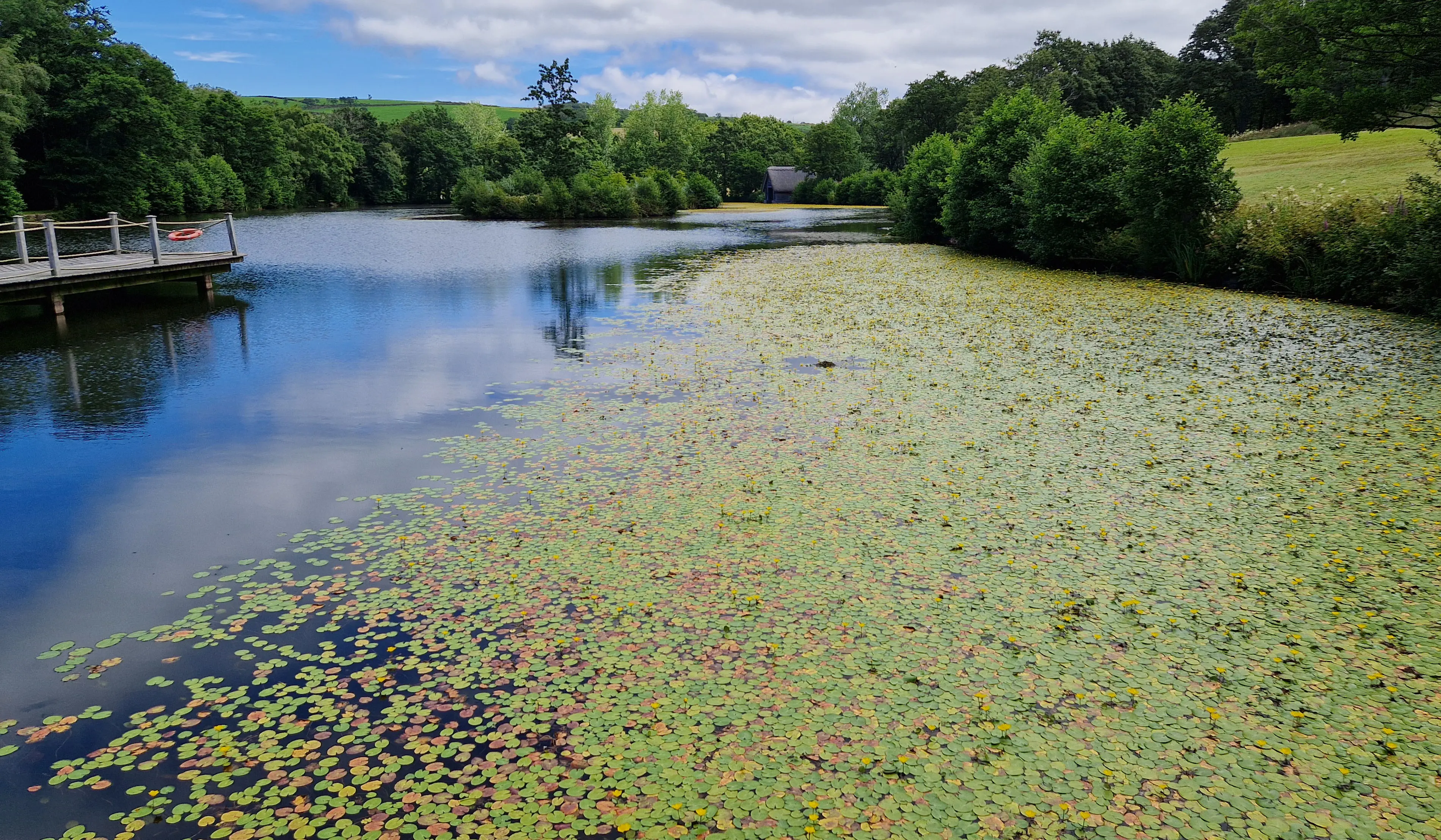
Parrot’s feather is an invasive non-native aquatic plant that can spread rapidly through UK ponds, lakes and slow-moving waterways, forming dense growth that can restrict water flow, shade out native vegetation and reduce areas of open water. Effective management usually involves carefully removing as much of the plant and its root system as possible while minimising fragmentation, as even small pieces can spread and establish new growth.
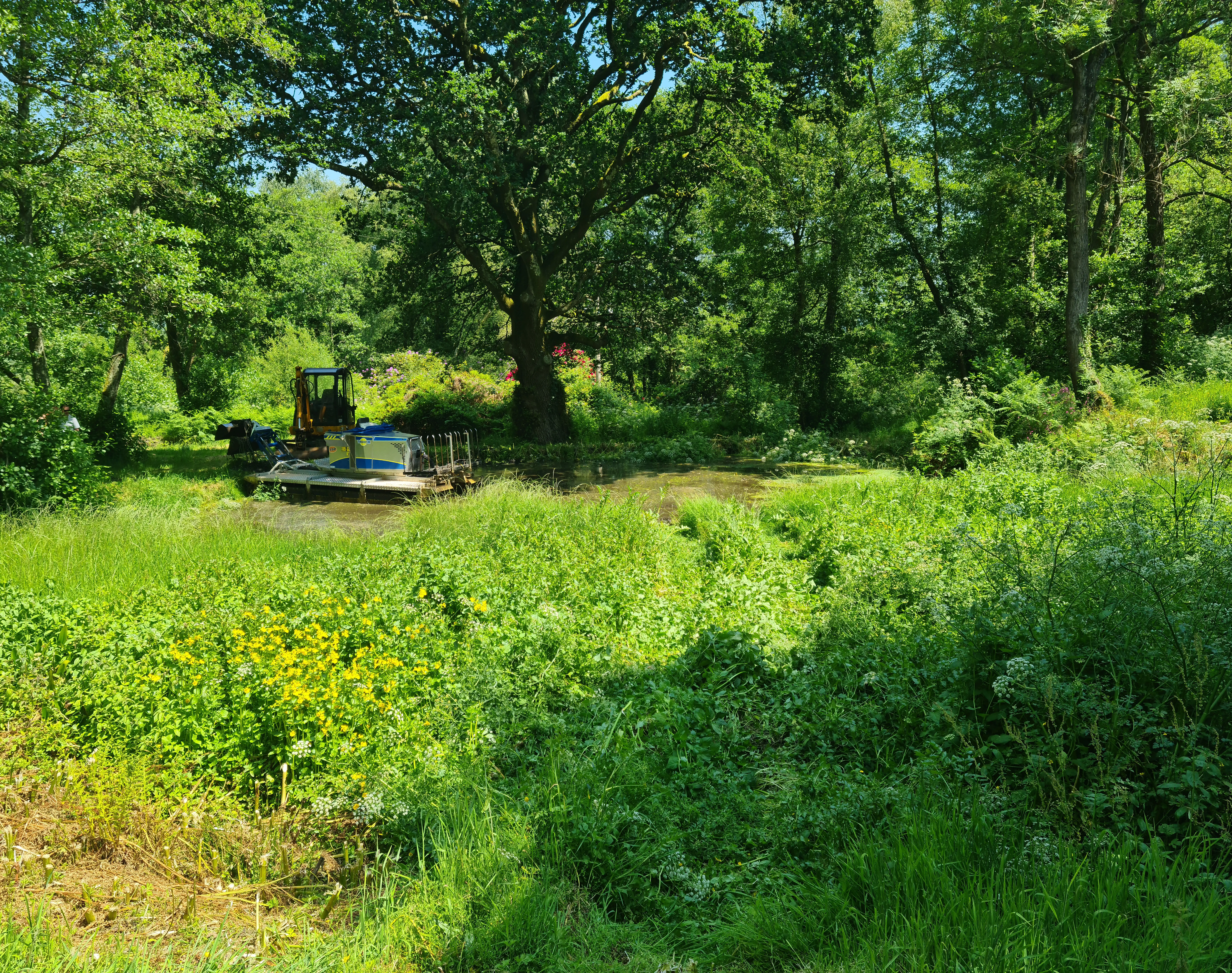
Aquaclear is regularly called upon to manage Parrot’s feather across UK waterways. Using the Truxor’s clamshell bucket, large sections of the plant can be carefully lifted together with its roots and rhizomes, helping to remove established growth while minimising fragmentation and the risk of spreading plant material to other areas of the waterway.
The Importance of Management
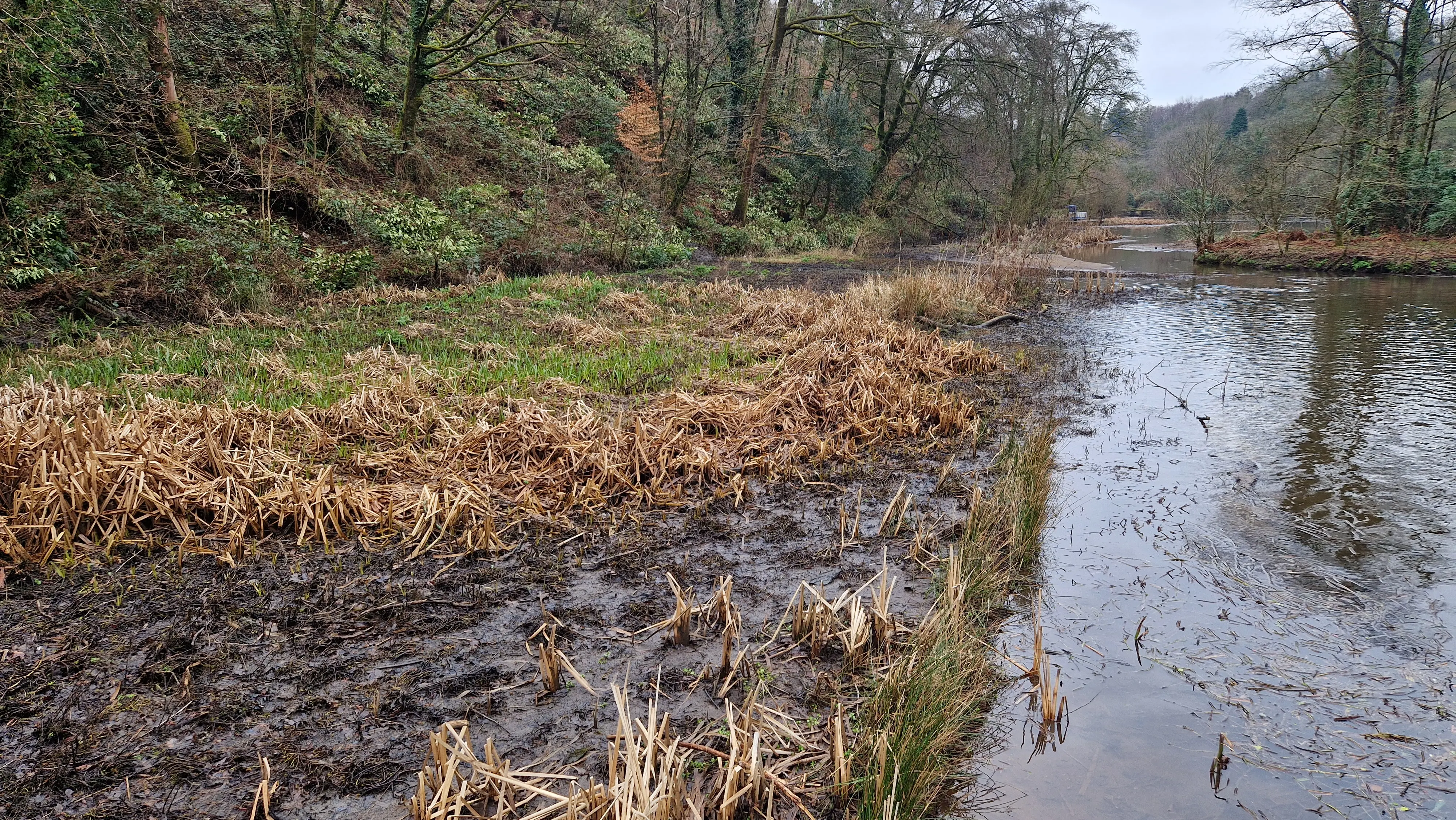
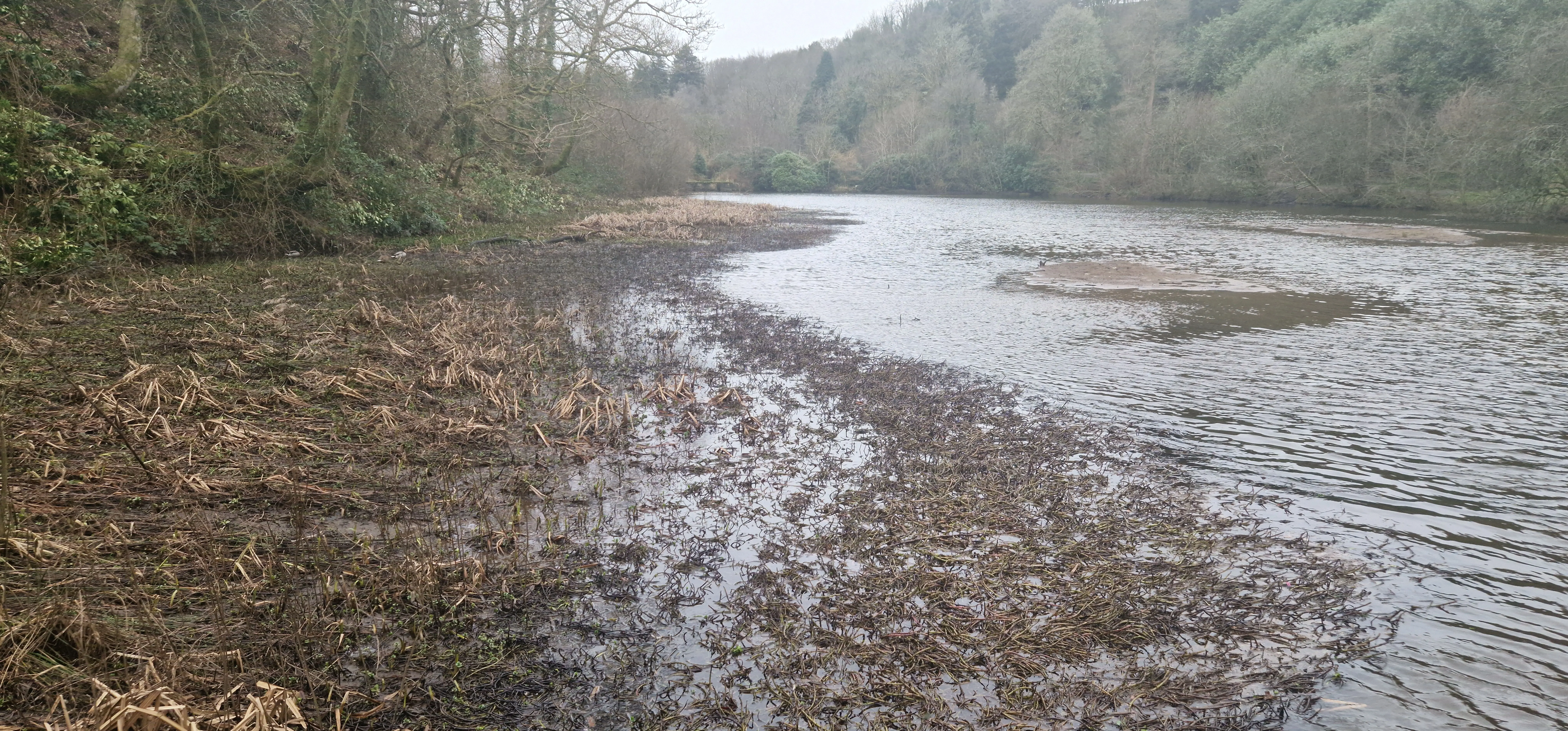
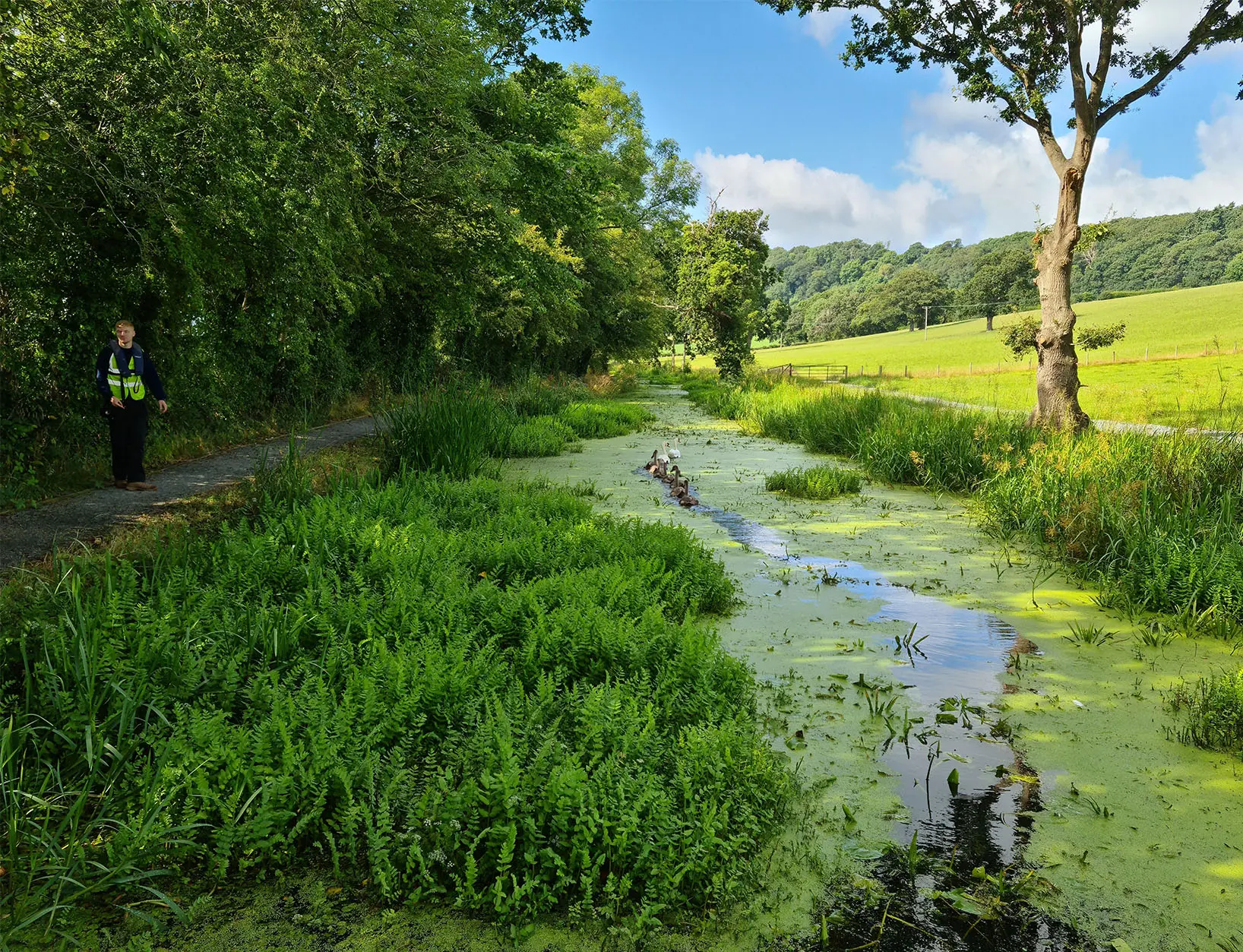
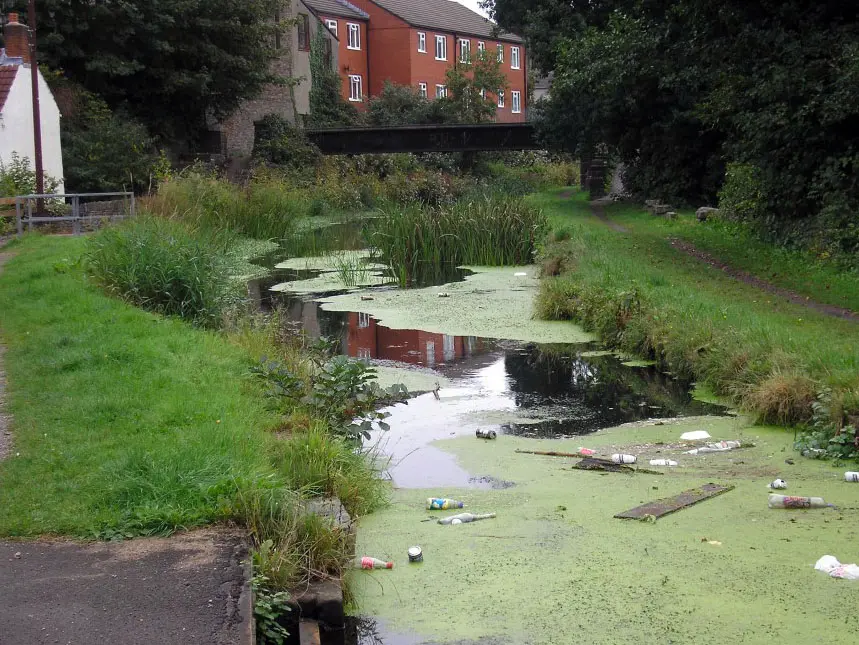
This public country park in South Wales is a popular destination for walkers and visitors throughout the year. Over time, heavy sediment accumulation and the spread of Parrot’s feather had gradually reduced the depth and width of what had previously been an open river channel. These shallower conditions allowed other vegetation, including bulrush, willow and bur-reed, to establish within the centre of the waterway. Together, the accumulated sediment and dense vegetation significantly restricted the available channel, reduced water flow and left sections of the river heavily congested.
Sediment and Vegetation Removal
Aquaclear carried out targeted excavation and vegetation clearance to remove the accumulated sediment, invasive growth and established vegetation from the affected sections of the river. Using the Truxor and a range of specialist attachments, dense stands of vegetation could be removed together with the underlying roots and rhizomes, while accumulated sediment was excavated from areas where the channel had become particularly shallow and restricted.
Restoring River Flow
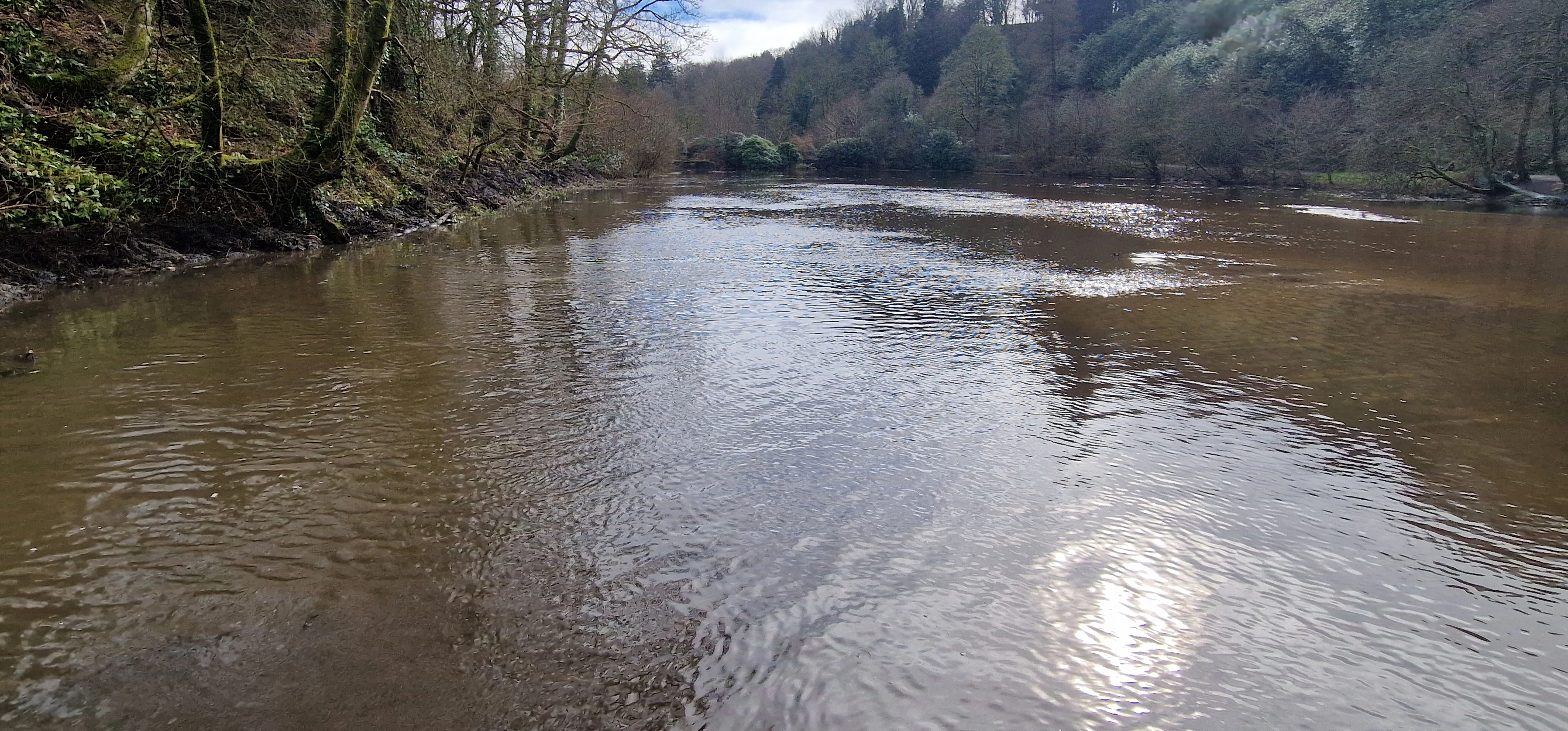
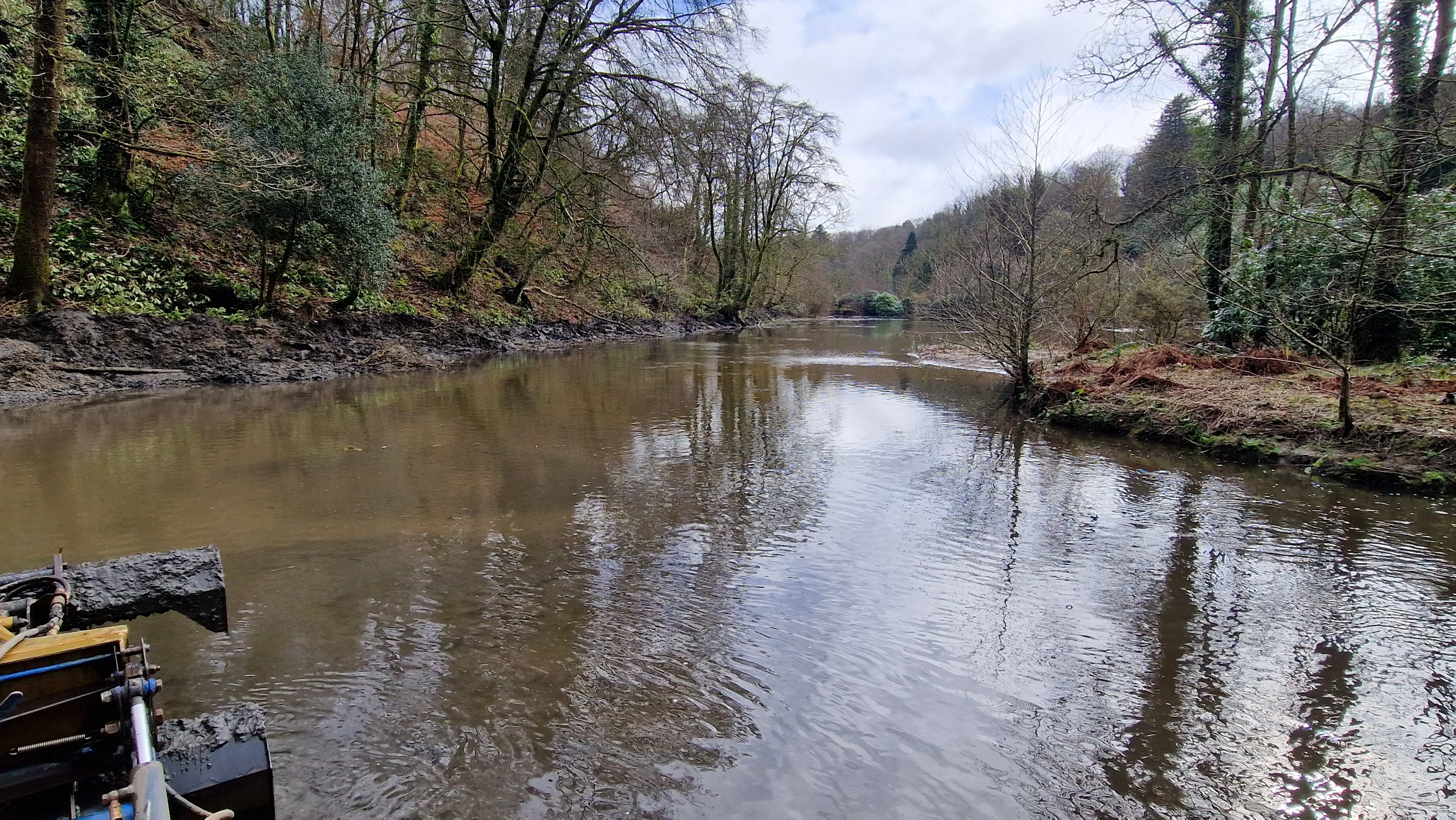
The works were carried out progressively along the watercourse, reopening the original channel and creating a clearer route for water to move through the site. Removing the combination of sediment and excessive vegetation restored greater depth, width and overall capacity to the river, while reducing the likelihood of floating material becoming trapped amongst dense growth.
Once completed, previously congested sections of the river were returned to open water, significantly improving both the flow and appearance of the watercourse. The restoration also helped re-establish the river as a prominent feature of the country park, providing a cleaner and more open waterside environment for the many walkers and visitors who use the site throughout the year.
Related Projects
Similar Case Studies
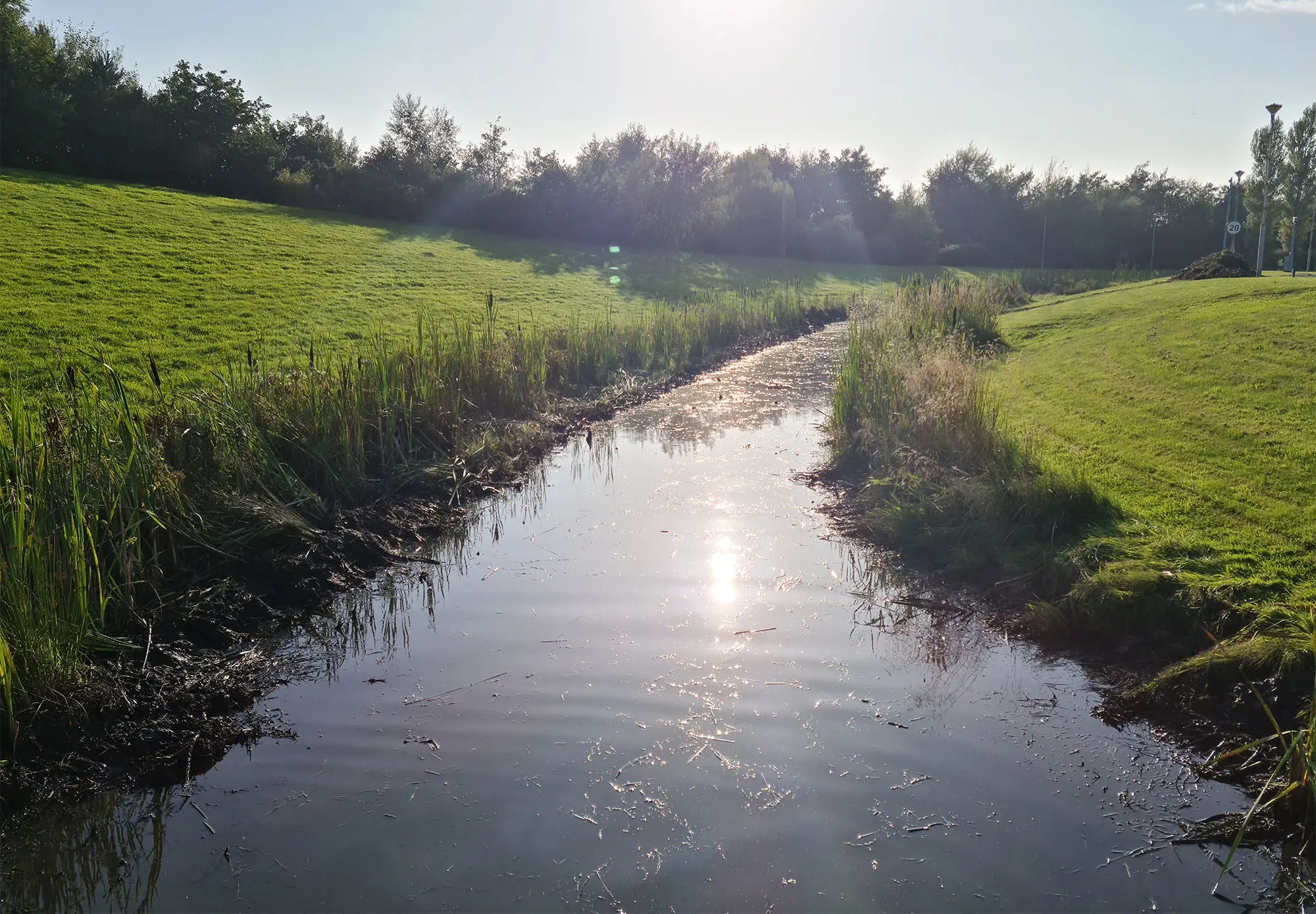
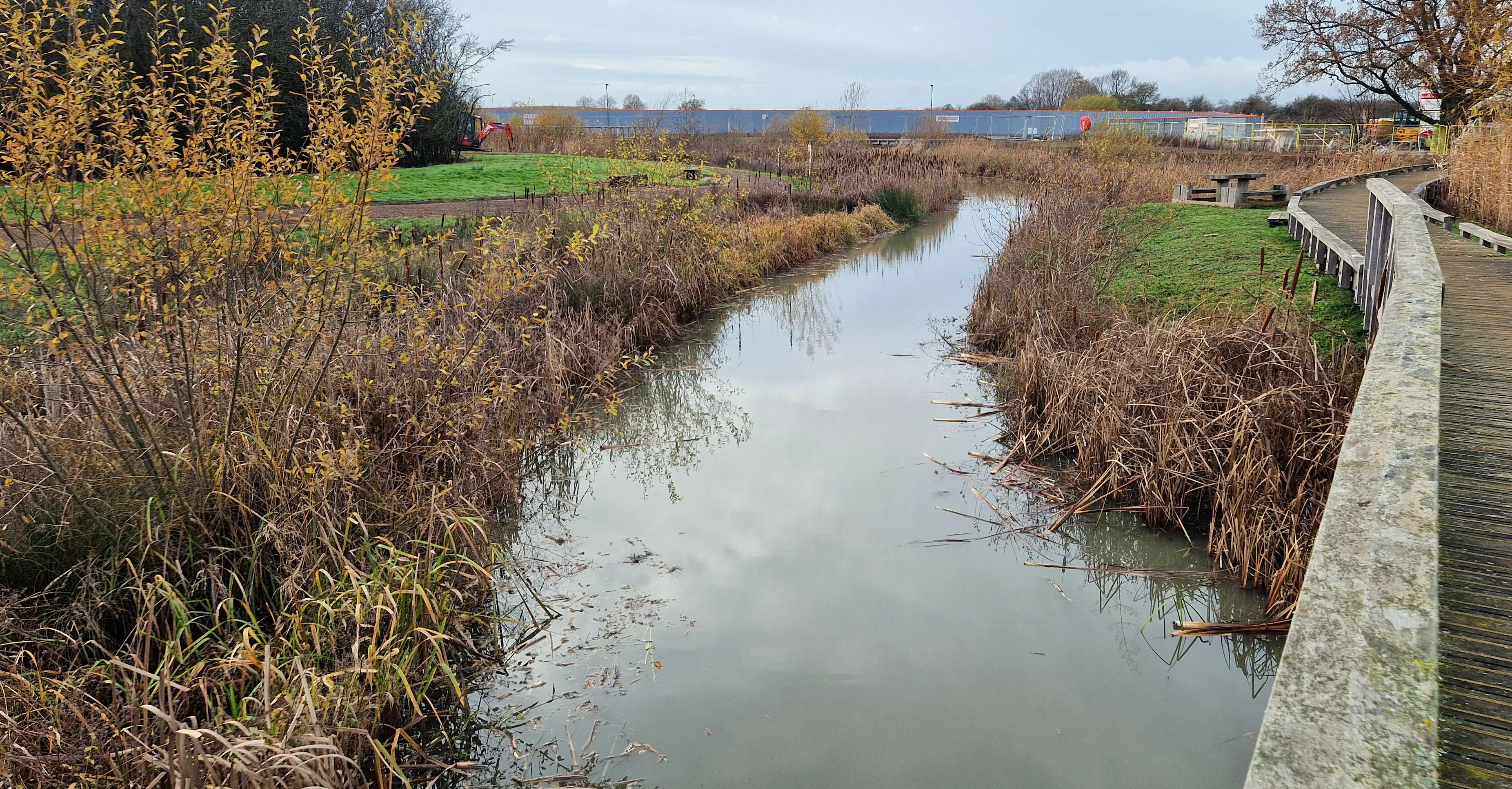
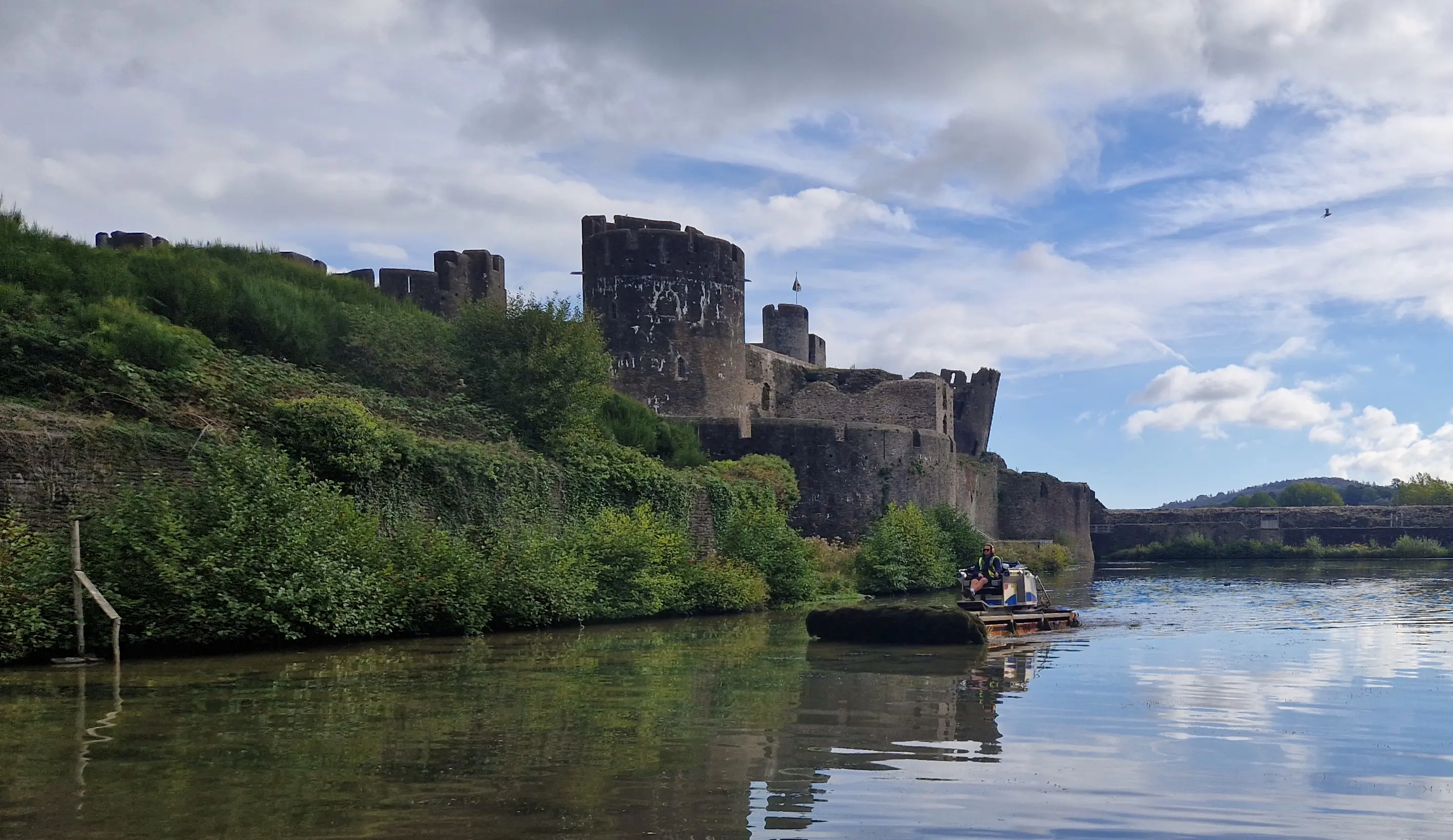
Explore other projects where we have delivered similar waterway management work.
Need Similar Work?
Have a Similar Project?
If you're dealing with a similar waterway management problem, contact us to discuss your site and the most appropriate approach.